




Proper Fuel Storage: Protecting Your Generator Year-Round

Keeping your generator in excellent condition requires more than routine maintenance. One of the most overlooked aspects of generator reliability is proper fuel storage. Whether you own a diesel generator for your home, farm, or business, the quality of your fuel can have a significant impact on performance when you need backup power the most.


By following a few simple fuel storage practices, you can help extend the life of your generator, reduce maintenance issues, and improve reliability throughout the year.


Why Fuel Quality Matters

Diesel fuel naturally changes over time. Moisture, dirt, bacteria, and oxidation can all affect fuel quality if it is stored improperly or left unused for long periods.


Poor-quality fuel can lead to:

  • Hard starting
  • Reduced engine performance
  • Clogged fuel filters
  • Increased maintenance costs
  • Unexpected generator downtime


Keeping fuel clean and properly stored helps ensure your generator is ready whenever it's needed.


Store Fuel in Approved Containers

Always use containers designed specifically for diesel fuel. Approved containers help protect fuel from contamination while reducing safety risks.


If your generator uses a larger fuel tank, periodically inspect it for signs of corrosion, leaks, or water accumulation.


Keep Water Out of Your Fuel

Water is one of the biggest threats to diesel fuel.


Moisture can enter storage tanks through condensation or damaged seals, creating an environment where bacteria and microbial growth can develop.


Regular tank inspections and proper storage conditions can help minimize moisture problems before they become expensive repairs.


Replace Fuel Filters on Schedule

Fuel filters protect your generator by removing contaminants before they reach the engine.


Replacing filters according to the manufacturer's recommendations helps maintain proper fuel flow and prevents unnecessary wear on engine components.


Exercise Your Generator Regularly

Even if your generator rarely runs during the summer, periodic operation keeps fuel circulating through the system and allows you to identify potential issues before an emergency.


Routine exercise also helps verify that your generator starts properly and is ready for unexpected outages.


Don't Ignore Routine Inspections

During regular maintenance, inspect:

  • Fuel lines
  • Fuel tanks
  • Fuel filters
  • Hoses and fittings
  • Signs of leaks
  • Fuel level indicators


Catching small issues early can help prevent larger repairs later.


Depend on Central Georgia Generator

Whether you need replacement fuel system components, generator parts, generator heads, brushless alternators, or a complete diesel generator, Central Georgia Generator provides dependable products and knowledgeable service to help keep your equipment operating at its best.


Our team proudly serves homeowners, farmers, contractors, and businesses with reliable power solutions built to perform year after year.


Contact Central Georgia Generator today to learn more about maintaining your backup power equipment and finding the right products for your application.

Contact Us Shop Diesel Generators

FAQ

How long can diesel fuel be stored?

Diesel fuel can often be stored for several months under proper conditions, but storage time varies depending on fuel quality and environmental factors.


Why is water harmful to diesel fuel?

Water promotes microbial growth, contamination, and corrosion that can damage fuel systems and reduce generator performance.


How often should fuel filters be replaced?

Follow the manufacturer's maintenance schedule or replace filters sooner if contamination is suspected.


Should I run my generator even if I haven't lost power?

Yes. Periodically exercising your generator helps verify proper operation and keeps fuel circulating through the system.


Can old fuel damage my generator?

Yes. Degraded or contaminated fuel can clog filters, reduce engine efficiency, and increase maintenance costs.
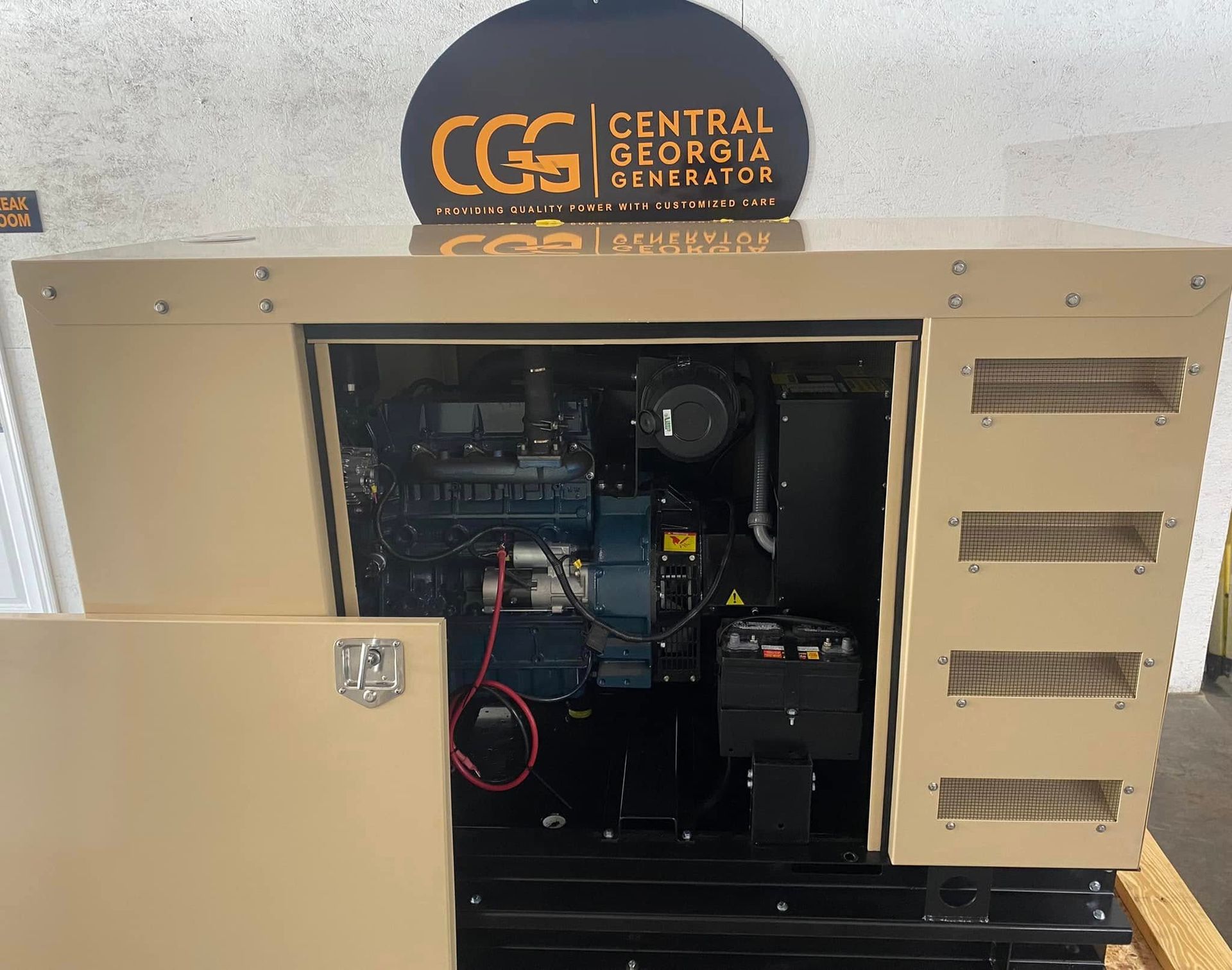
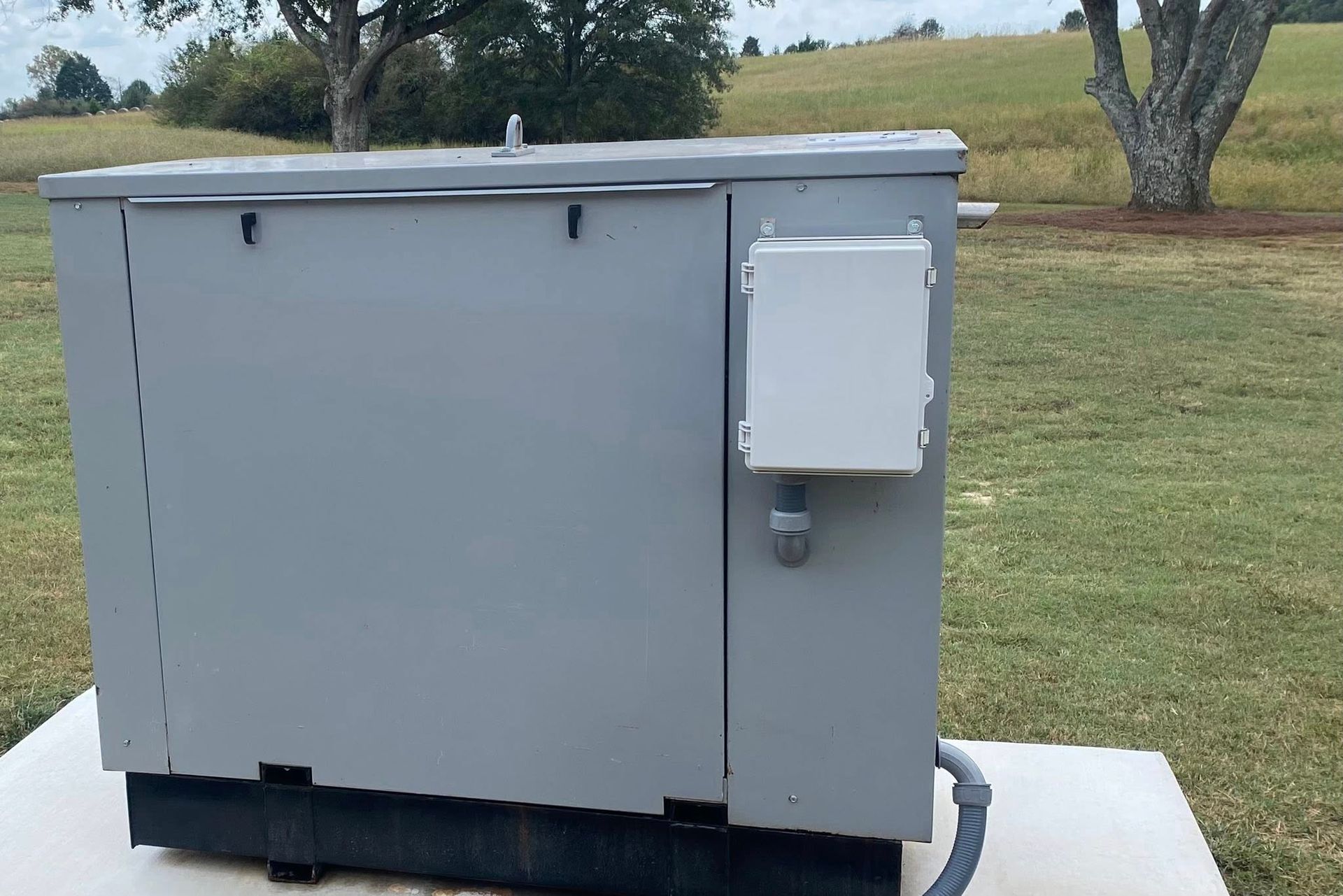
Diesel generator installed outdoors during summer, highlighting proper maintenance.
June 2, 2026
Learn how summer heat can affect generator performance and discover maintenance tips to keep your backup power system running reliably.
Backup generator keeping lights on during a storm outage
May 4, 2026
Storms cause outages—be ready. Shop diesel generators, PTO systems, and reliable backup power solutions with CGG Power.
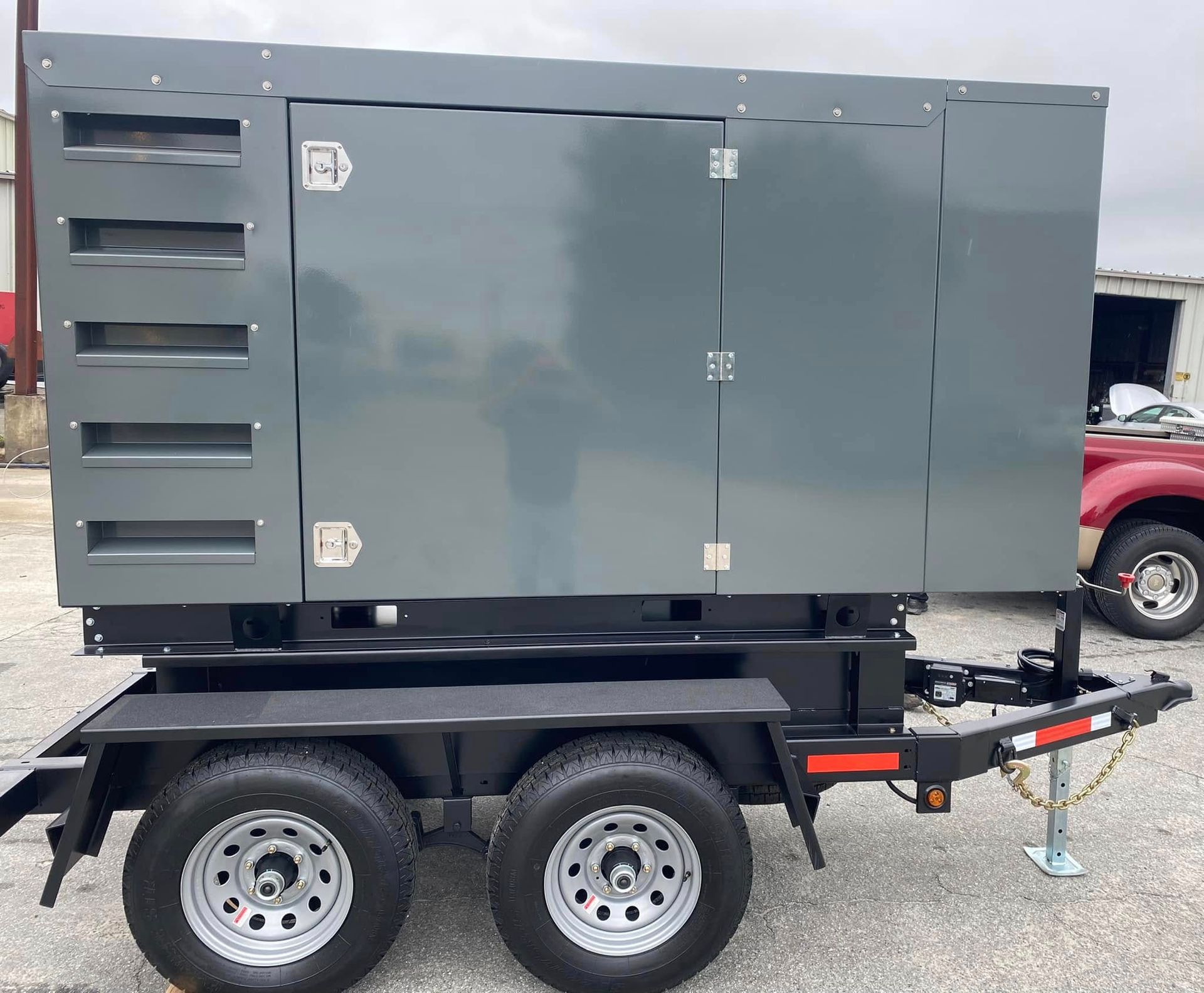
A large, gray industrial generator mounted on a black two-axle utility trailer parked on a gravel lot.
April 1, 2026
Compare PTO and diesel generators to find the best backup power solution. Shop CGG Power for diesel units, PTO combo kits, and more.
March 4, 2026
Learn why diesel backup generators are a reliable power solution for farms and rural properties during outages.
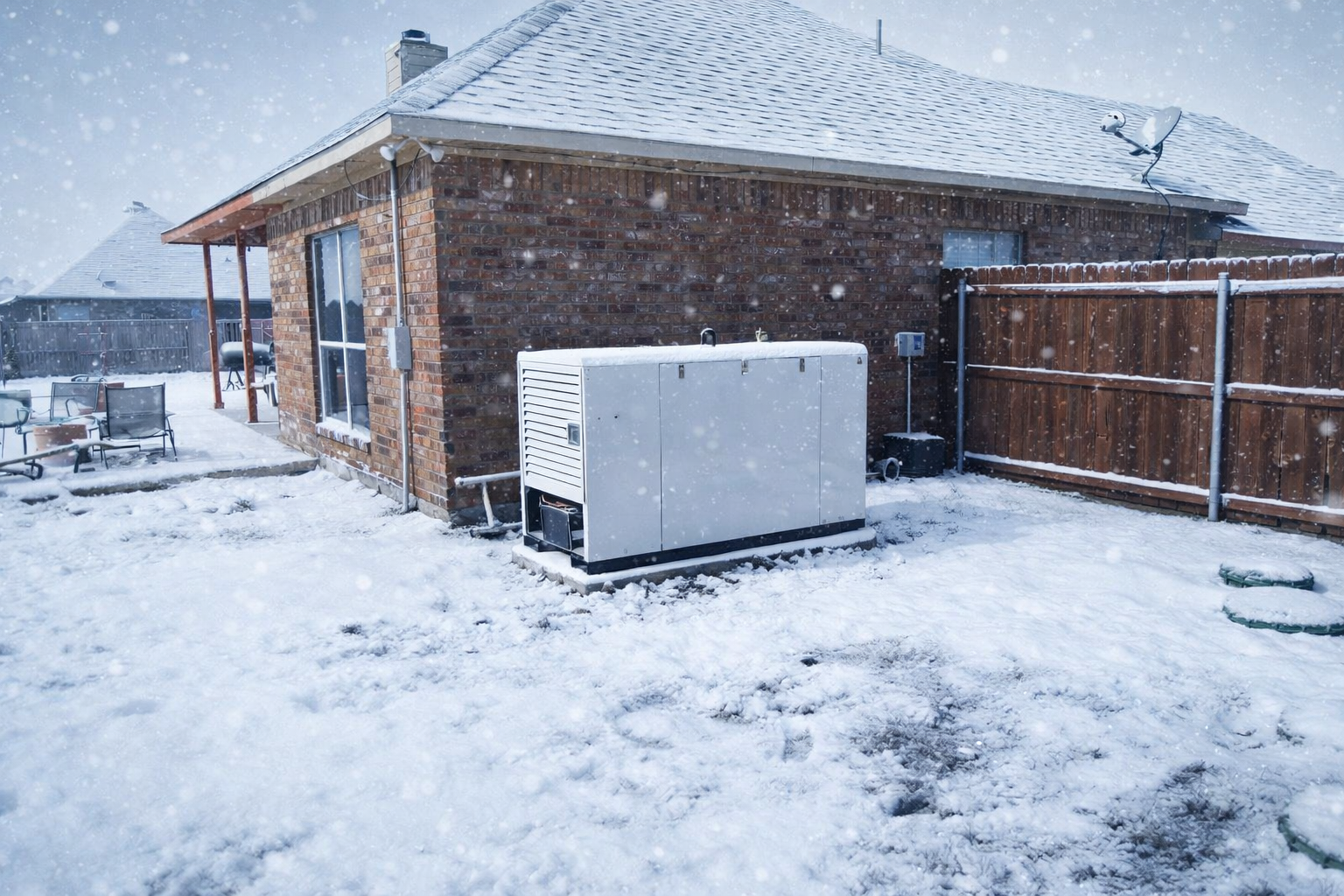
Snowy backyard with a brick house and a white generator.
February 4, 2026
Cold weather exposes generator weaknesses. See why February is key for backup power planning and view generator options at CGG Power.
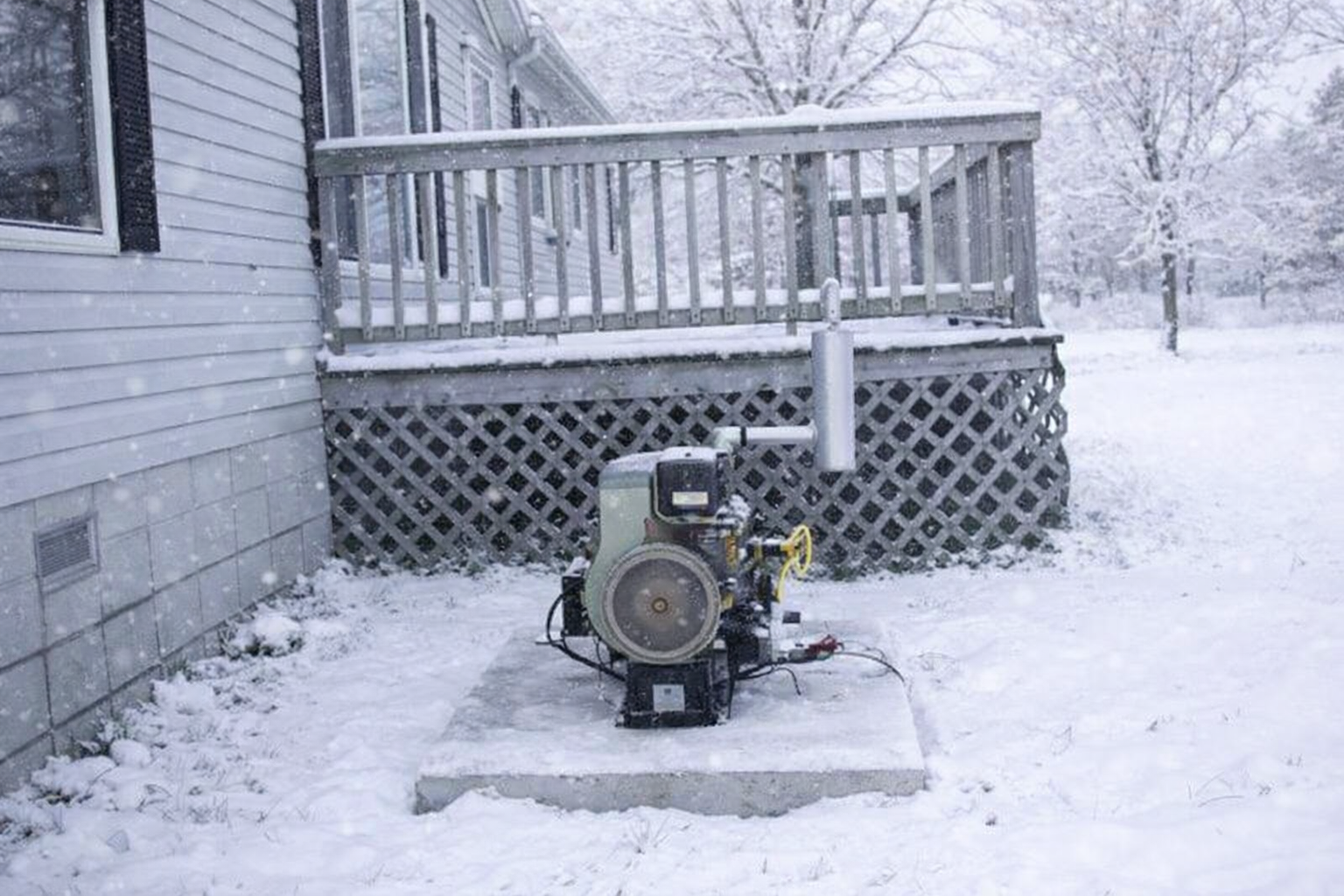
Generator next to a house deck in snowy weather.
January 12, 2026
Winter power outages can be longer and more disruptive than summer storms. Learn how backup generators help protect homes and businesses.
Christmas tree illuminated with white lights against a dark background.
December 3, 2025
Avoid winter outages this holiday season. Discover expert generator tips and nationwide shipping from Central GA Generator.
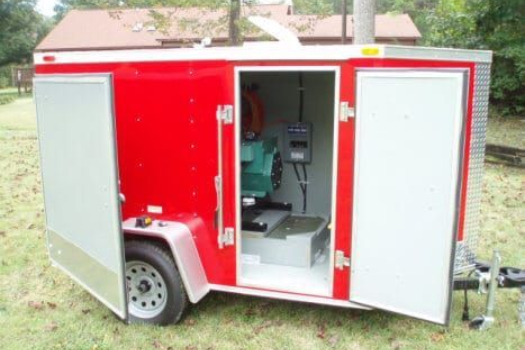
Red equipment trailer with a generator, beside a cornfield and a skid steer.
November 10, 2025
Power outages cost more than you think. Learn how investing in a reliable generator can save money and protect your home or business nationwide.
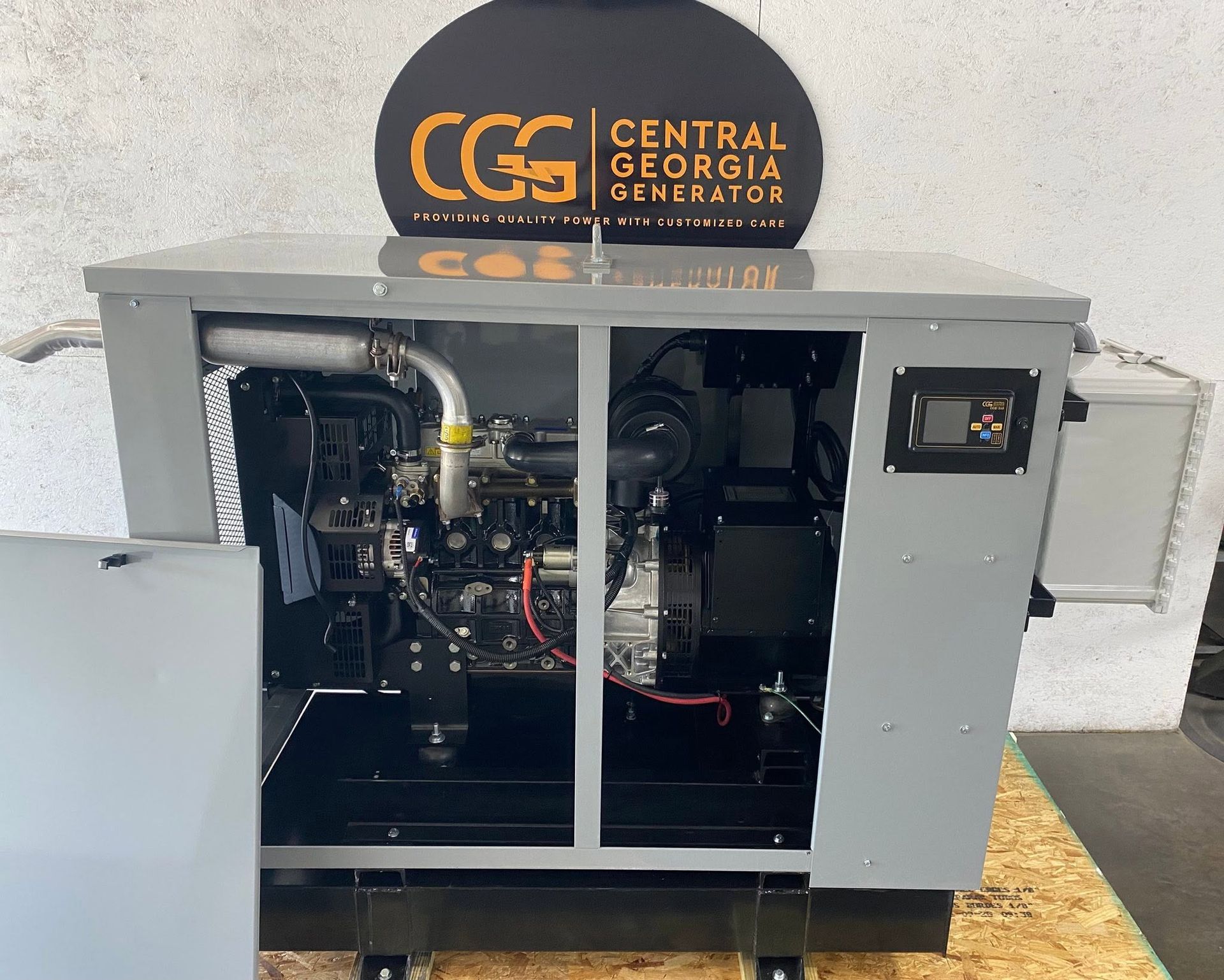
Diesel engine generator with control panel, battery, and exhaust system on a wooden pallet.
September 29, 2025
Keep your generator reliable year-round with these simple maintenance tips. Learn how to run, service, and store your generator to be ready for the next Central Georgia outage.
July 8, 2025
If you're a food truck owner, you already know that your business depends on mobility, reliability, and power . Whether you’re parked at a bustling festival or a quiet lunch stop downtown, one thing’s for sure— you can’t cook, cool, or serve without electricity So, do you need a generator for your food truck? In short: Yes. Absolutely. Let’s break down why, and what to look for in the right food truck generator . The Risks of Not Having a Generator Operating without a reliable generator can cause major problems: 1. Downtime = Lost Revenue If your power goes out mid-shift—or worse, you arrive at an event with no outlet nearby—your entire service is down. That means lost food, lost time, and lost profit. 2. Health Department Compliance Many local health codes require reliable refrigeration and cooking power on-site. No generator? No power. No power? You could get shut down on the sp ot. 3. Event Access Not all event locations offer accessible power hookups. Without a portable diesel generator, you risk missing out on key locations and high-traffic events. 4. Noise Complaints Some older or cheaper generators can be so loud that they drive customers away and violate local noise ordinances. And nobody wants to eat next to a jet engine. Why You Need a Food Truck Generator A food truck generator is more than just a backup plan—it's your primary power source . From refrigeration to grills, fryers to POS systems, a generator keeps your whole kitchen runnin When shopping for one, keep these key features in mind: Quiet operation Fuel efficiency Reliable performance Meets health and safety codes Portable for easy transport and storage The Quiet Generator Advantage One of the most common complaints from food truck customers and event organizers? Generator noise. That’s why many operators turn to a quiet generator for food trucks —models designed to deliver ample power without the roar. This not only keeps your setup more professional, but also makes you a more desirable vendor at events with sound restrictions. Why Diesel Generators Are the Smart Choice At Central Georgia Generator , we often recommend diesel-powered models for food truck operators, and here’s why: Reliability Diesel engines are built to last and offer fewer breakdowns over time, making them ideal for daily or frequent use. Fuel Efficiency Diesel generators consume less fuel per kilowatt than gas, saving you money in the long run. Quiet Operation Modern diesel models are surprisingly low noise , especially with mufflers and enclosures available. able. Compliance Many events and health departments prefer or require clean, consistent power sources —diesel meets the mark. k. Easy Maintenance They’re easy to maintain and designed for heavy use—perfect for long shifts and travel days. Our Recommendation: Tier 4 Final Diesel Generators We stock a variety of tier 4 final diesel generator options designed specifically for mobile setups like food trucks. Final Thoughts If you're serious about your food truck business, a generator isn't a luxury, it's a necessity. With the right power source, you can: Stay compliant with local regulations Avoid costly downtime Serve at any location Deliver a quieter, more enjoyable customer experience Ready to Power Up? Looking for a quiet, diesel generator for your food truck? Contact Central Georgia Generator today and let us help you find the perfect solution for your mobile kitchen.