




How to Choose the Right Size Generator for Your Power Needs
Choosing the right generator isn't simply about buying the biggest unit available. A generator needs to be properly matched to the equipment, appliances, or systems you plan to power.
A generator that's too small may struggle under the electrical load, while purchasing more capacity than you realistically need can mean spending more than necessary.
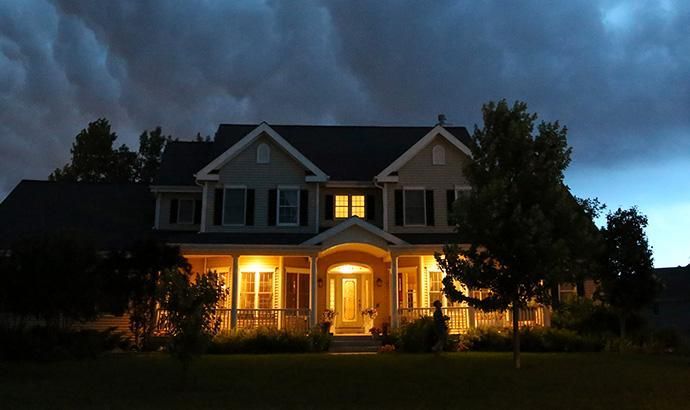
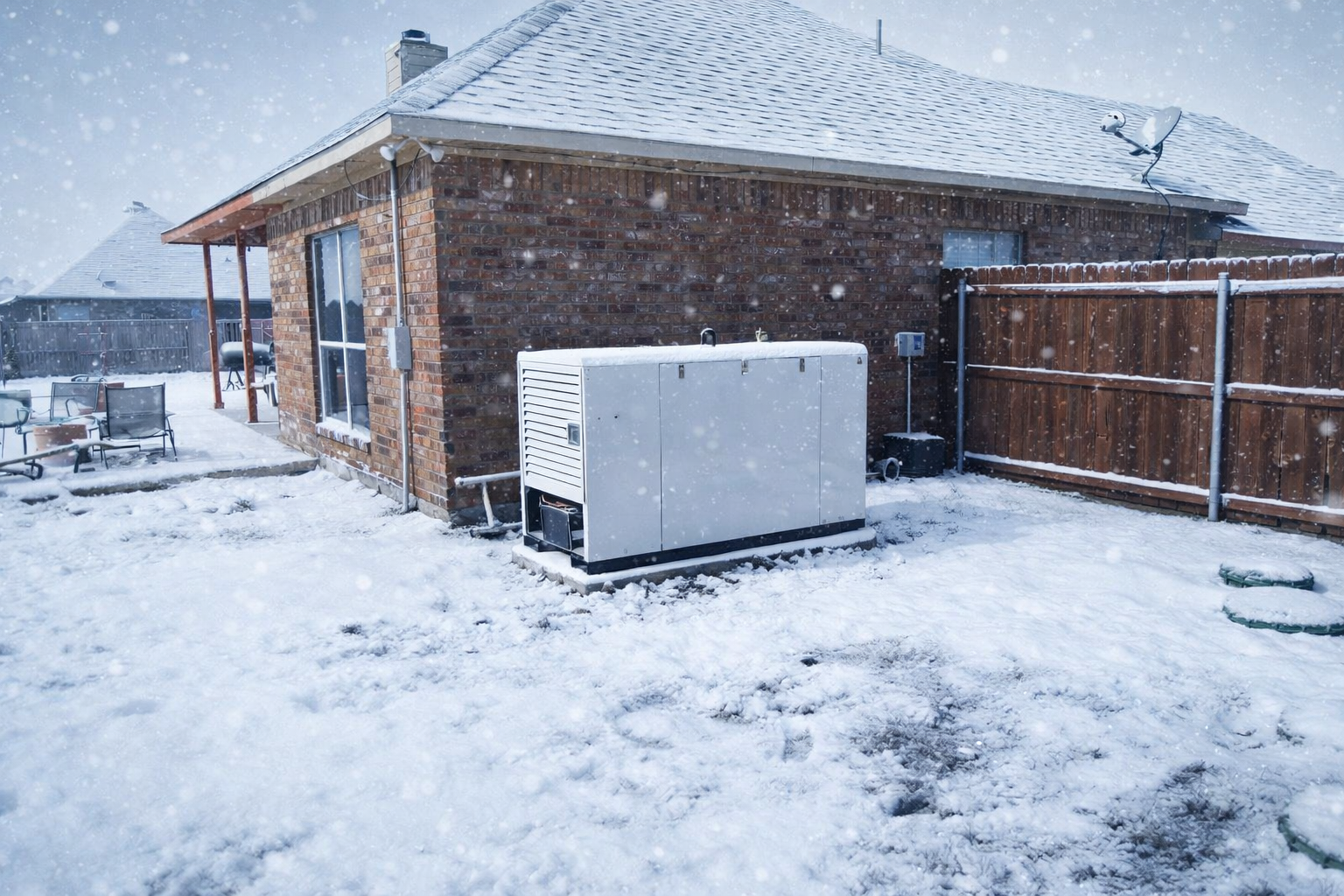
Whether you're preparing for backup power at a home, keeping a farm operational, powering equipment at a business, or planning for another application, understanding a few generator sizing basics can help you make a better decision.
Start With What You Need to Power
Before choosing a generator, make a list of everything you expect it to operate.
Depending on the application, that might include:
- Refrigerators and freezers
- Lighting
- Well pumps
- Heating or cooling equipment
- Farm equipment
- Shop tools
- Compressors
- Commercial equipment
- Computers and electronics
- Other essential electrical systems
You don't necessarily need to power everything at once.
For backup applications, identifying your essential loads first can help you determine how much generator capacity you actually need.
Understand Watts and Kilowatts
Generator capacity is commonly expressed in watts (W) or kilowatts (kW).
One kilowatt equals 1,000 watts, so a 25 kW generator, for example, represents 25,000 watts of rated power.
However, simply adding up the wattage printed on your equipment doesn't always tell the entire story.
Some electrical equipment requires significantly more power when it first starts.
Running Watts vs. Starting Watts
This is one of the most important parts of generator sizing.
Running watts are the amount of power equipment needs while operating normally.
Starting watts are the temporary additional power certain equipment may require when it first turns on.
Equipment containing electric motors can have substantial starting requirements. Examples may include:
- Well pumps
- Air conditioners
- Refrigerators
- Compressors
- Power tools
- Agricultural equipment
- Commercial machinery
If several motor-driven devices start around the same time, the generator needs enough capacity to handle that temporary demand.
Ignoring starting loads is one of the easiest ways to underestimate the generator size you need.
What Happens If a Generator Is Too Small?
An undersized generator may not be able to reliably handle the equipment connected to it.
Depending on the generator and load, you may experience:
- Generator overload
- Tripped breakers
- Voltage problems
- Difficulty starting motors
- Unexpected shutdowns
- Reduced generator performance
Continually asking a generator to operate beyond its intended capacity can also place unnecessary stress on the system.
Choosing the appropriate size provides enough capacity to operate your required equipment while accounting for startup demands.
Bigger Isn't Always Better
It's easy to assume that buying the largest generator you can afford eliminates sizing concerns.
But generator selection should be based on your actual application.
An oversized generator may cost more to purchase, and operating characteristics such as fuel consumption will vary depending on the generator and load.
Instead of simply choosing the largest unit available, focus on finding a generator appropriately sized for what you intend to power.
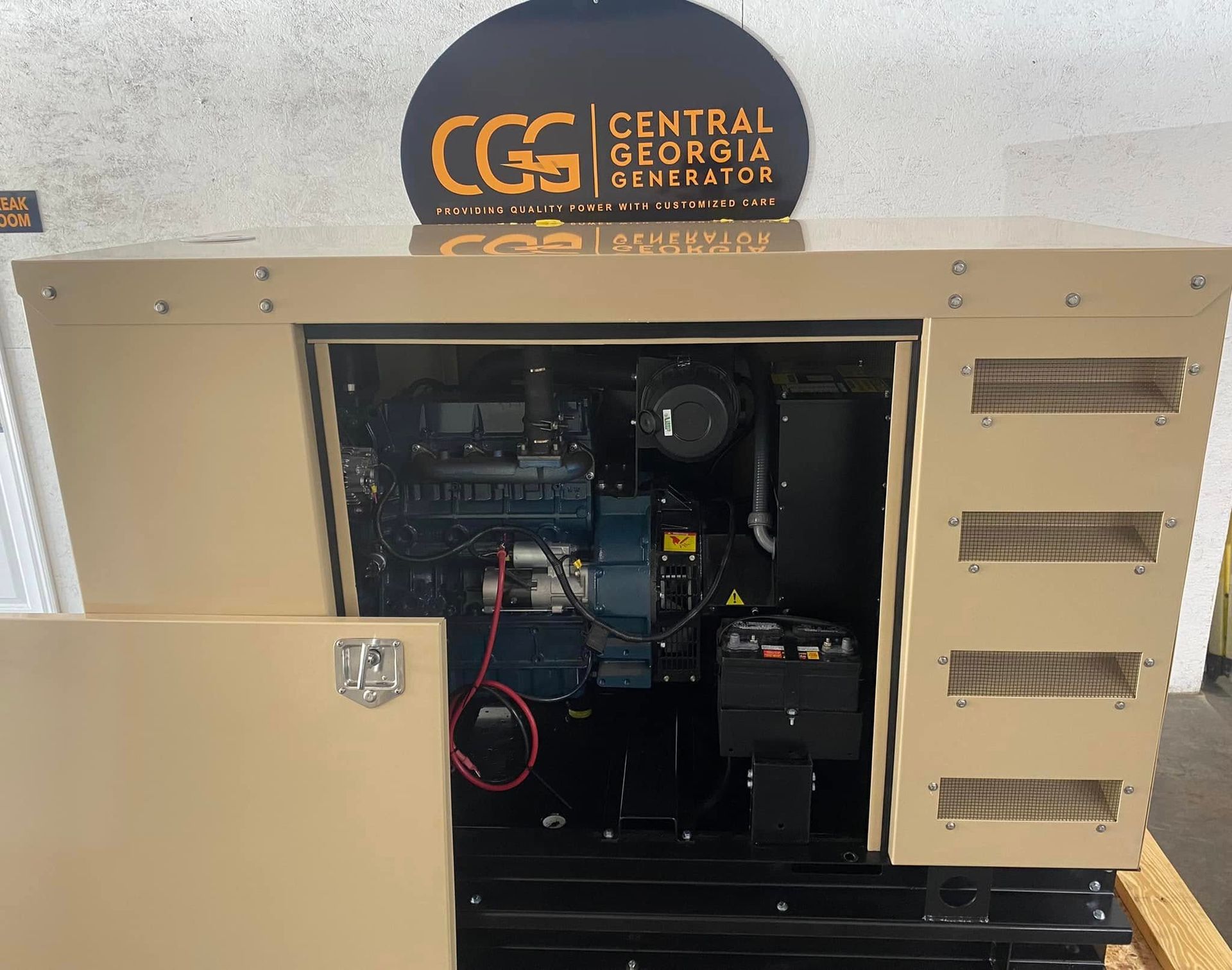
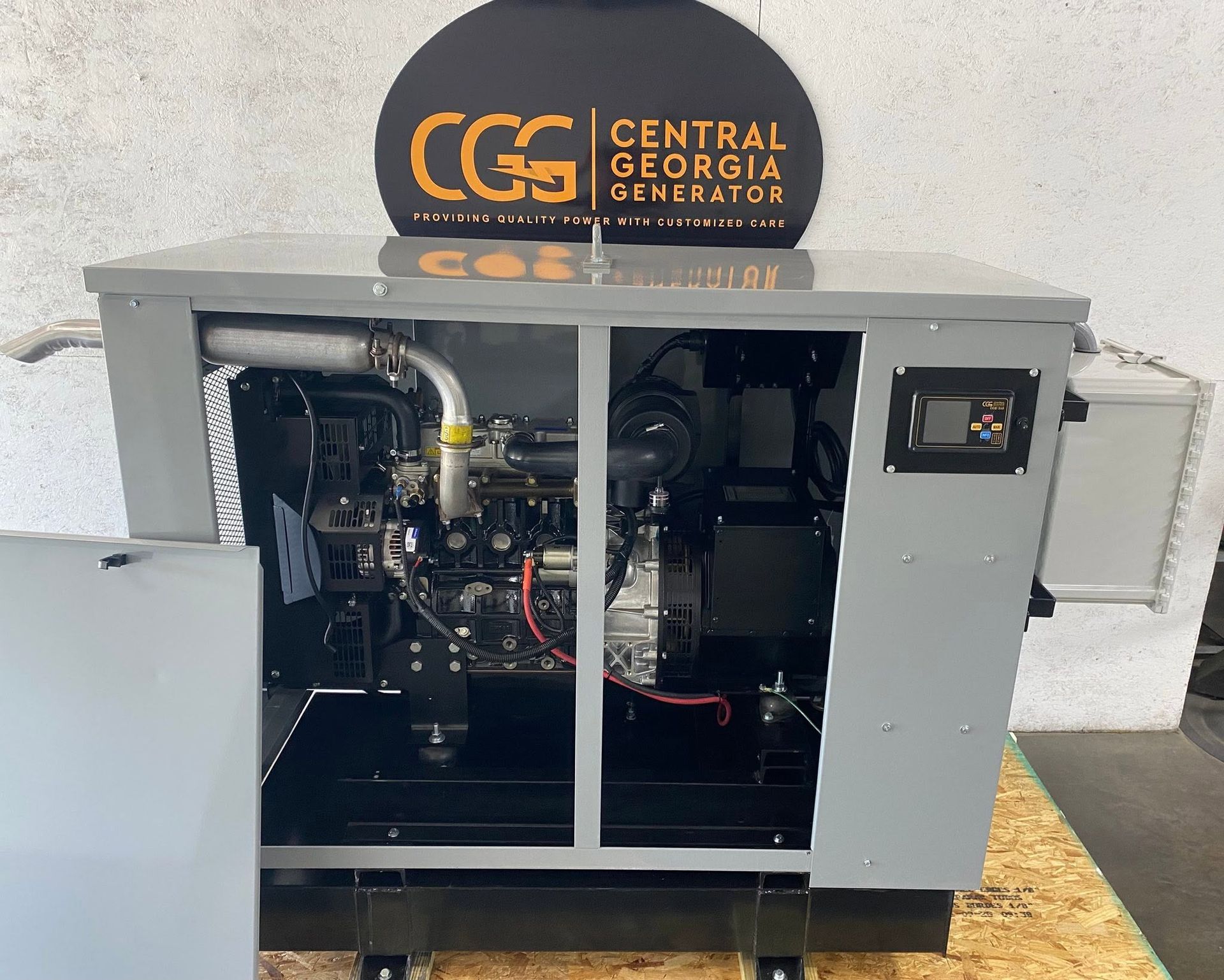
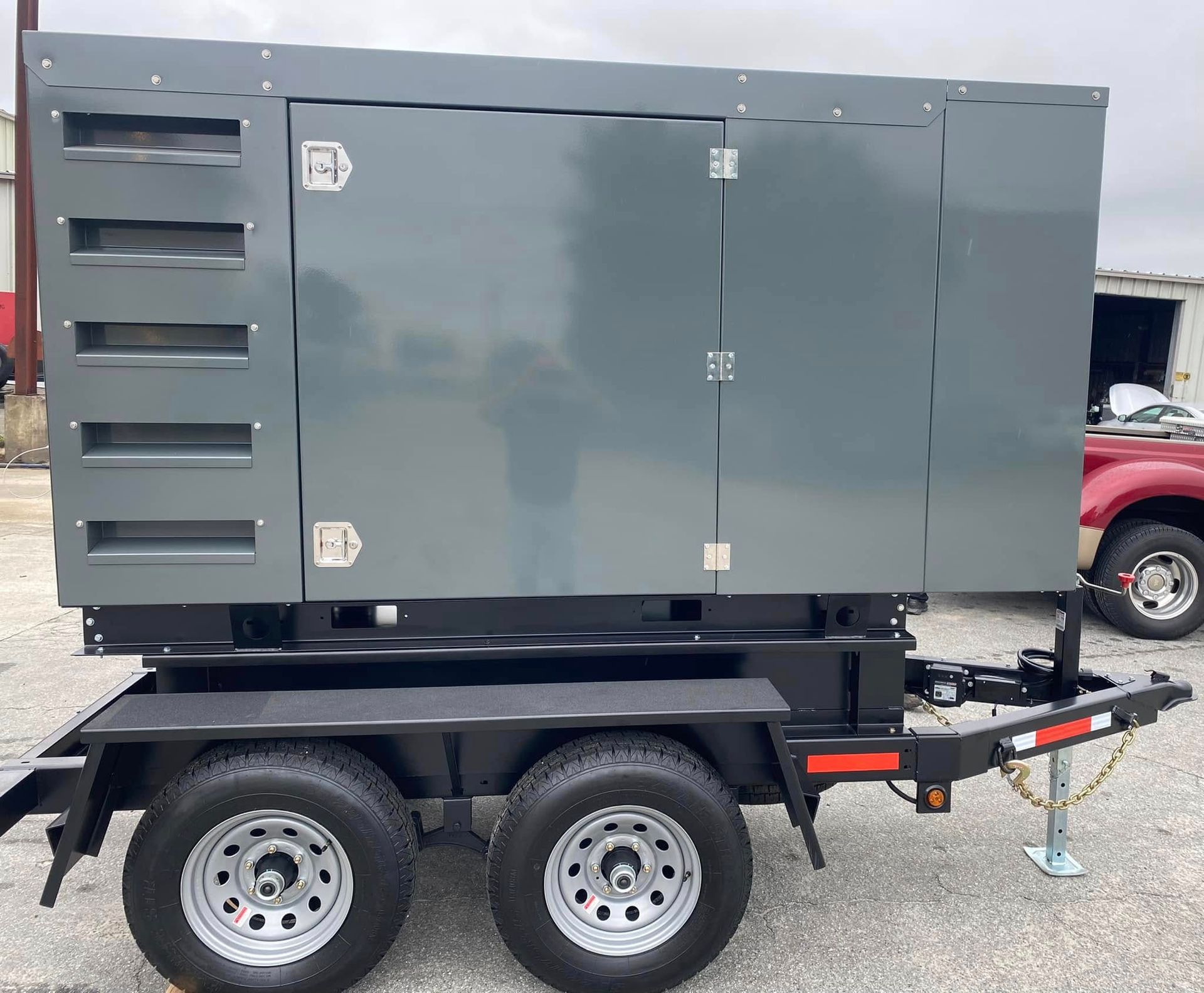
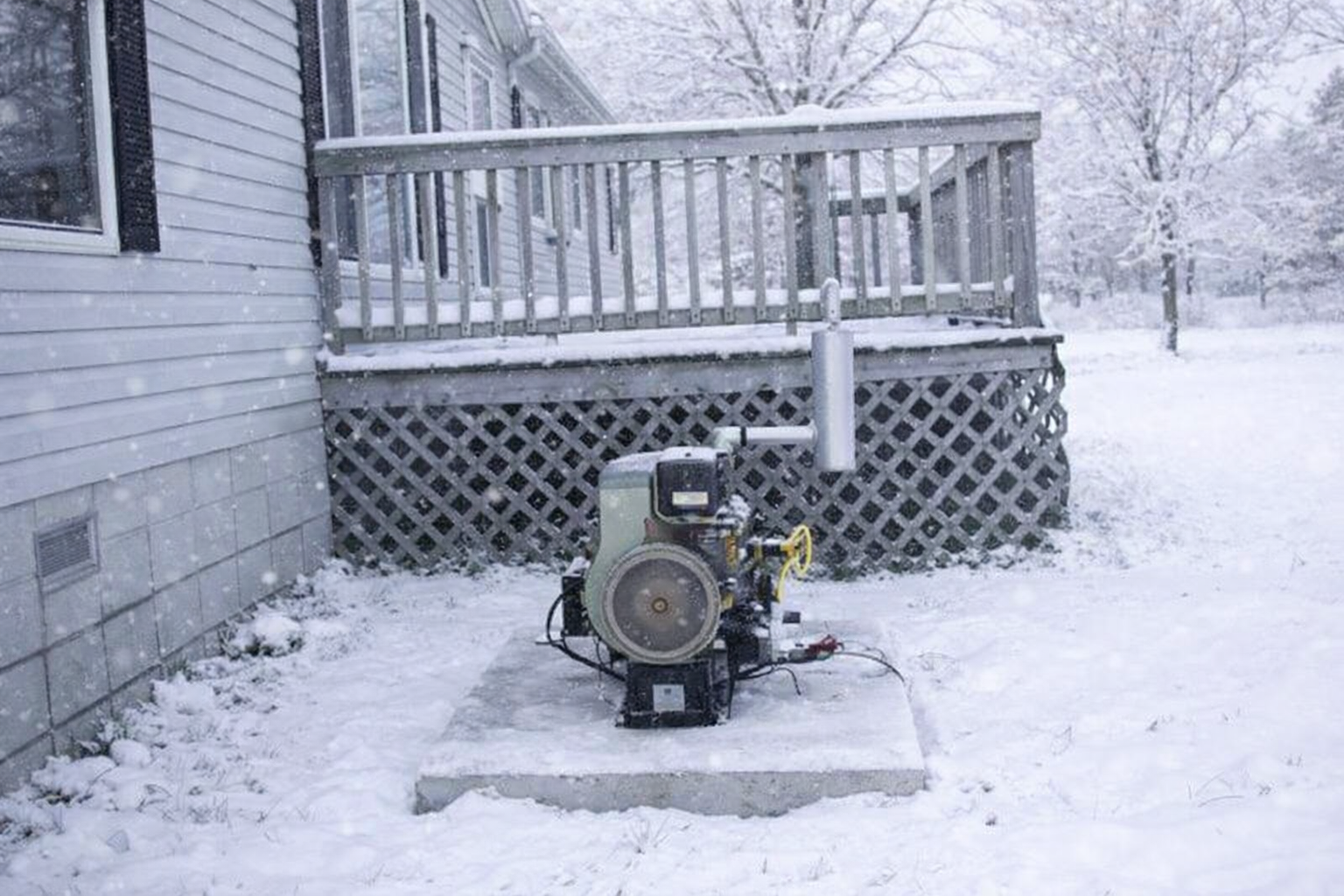
Central Georgia Generator carries diesel generator sets in multiple power ratings for different standby power applications.
CGG's current inventory includes generator sets across a range of capacities, allowing customers to compare options based on their particular power requirements.
Generator Sizing for Farms and Rural Properties
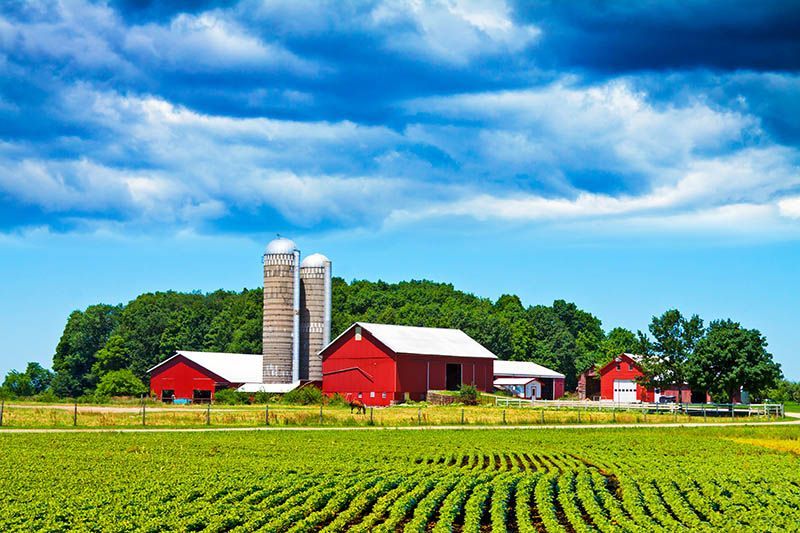
Farms can present unique power requirements because several critical systems may depend on electricity.
A generator may be needed to operate:
- Well pumps
- Barn lighting
- Refrigeration
- Ventilation
- Agricultural equipment
- Shop equipment
- Other essential farm systems
If a tractor is already available, a PTO generator may also provide a practical backup power option for certain agricultural applications.
When sizing a generator for a farm, consider not only the equipment that needs to remain operational but also which pieces of equipment may need to start simultaneously.
Choosing the Right Generator Head
Sizing is equally important if you're building a generator system or replacing an existing generator head.
The generator head needs to be appropriately matched to the engine and intended electrical output.
Depending on the equipment, considerations can include:
- Generator kW rating
- Engine horsepower
- Engine RPM
- Voltage
- Phase
- Single- or double-bearing configuration
- Connection requirements
For example, CGG's individual generator-head specifications identify the horsepower required to achieve the unit's full rated output.
Matching these components correctly is important when building or replacing a generator system.
Don't Forget Voltage and Phase
Generator size isn't the only specification that matters.
The generator must also produce the appropriate voltage and phase for the equipment you're powering.
Homes and smaller applications often have different electrical requirements than commercial or industrial equipment.
Before purchasing a generator, verify the electrical requirements of your property and equipment rather than choosing based on kW rating alone.
Use CGG's Generator Resources
If you're replacing a generator head, building a generator system, or trying to identify the right components, you don't have to figure everything out on your own.
Central Georgia Generator provides generator guides, videos, and troubleshooting resources covering topics such as generator setup, RPM, generator adaptation, bellhousing and flywheel sizing, and troubleshooting.
These resources can be especially useful when identifying replacement components or determining what equipment will work with an existing engine or generator setup.
Let Central Georgia Generator Help You Choose
There isn't one generator size that's right for every home, farm, business, or piece of equipment.
The right choice depends on what you're powering, how much electricity the equipment requires, starting loads, voltage, phase, and the type of generator system you're using.
Central Georgia Generator carries generator sets, generator heads, PTO combo kits, accessories, and replacement components for a wide variety of applications. The CGG team can also help customers size and select equipment based on their individual power needs.
Not sure what size generator you need? Contact Contact Central Georgia Generator for help finding a power solution that fits your application.
Frequently Asked Questions
What size generator do I need?
The right generator size depends on the total electrical load you need to power, including both running watts and the additional starting requirements of motor-driven equipment.
What is the difference between running watts and starting watts?
Running watts are the power equipment uses during normal operation. Starting watts are the temporary additional power some equipment requires when it first starts.
What happens if my generator is too small?
An undersized generator may experience overloads, tripped breakers, voltage problems, difficulty starting equipment, or unexpected shutdowns when demand exceeds its capacity.
Should I buy a larger generator than I need?
Can Central Georgia Generator help me determine what size generator I need?
Yes. Central Georgia Generator can help customers identify and select generator equipment based on their power needs and application.